Old Language Font: Timeless Charm for Handmade Crafts
As makers and small business owners, we know that typography is often the difference between a product that looks homemade and one that looks professionally crafted. Finding a typeface that balances vintage nostalgia with modern legibility is a constant challenge in the world of physical goods and digital downloads. The Old Language font by Gustavo Luis Lucero offers a distinct solution for creators who need their designs to whisper history while remaining perfectly functional for today’s market. This isn't just another decorative script; it is a versatile tool designed to elevate labels, signage, and stationery with an authentic, aged aesthetic that customers instantly connect with.
The Visual Personality of Old Language
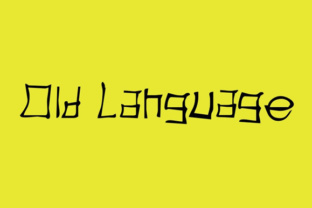
Old Language carries a unique visual weight that sets it apart from standard serif fonts or flowing scripts. It evokes the feeling of antique bookplates, vintage apothecary jars, and heritage branding without looking dusty or illegible. For crafters working within the Script Amp category or exploring display fonts, this typeface provides a textured, organic quality that feels hand-touched rather than digitally manufactured. The letterforms possess a rhythmic consistency that makes them ideal for short phrases, product names, and headers where character matters more than high-density text.
When you integrate this premium font into your design workflow, you are essentially borrowing the authority and warmth of traditional printing methods. It works exceptionally well for brands focusing on sustainability, artisanal quality, or historical themes. Unlike overly ornate calligraphy fonts that can become muddy when scaled down, Old Language maintains its structural integrity, making it a reliable choice for both large-format signs and intimate product tags.
Practical Applications for Makers and Sellers
Versatility is the currency of any successful handmade business. You need assets that work across multiple mediums without requiring constant adjustments. Old Language excels in several key areas of product creation:
- Product Packaging and Labels: Whether you are selling soy candles, organic soaps, or small-batch jams, this font adds immediate perceived value. It suggests craftsmanship and attention to detail, helping your items stand out on crowded Etsy listings or boutique shelves.
- Wedding and Event Stationery: For invitation designers, Old Language serves as a stunning alternative to traditional copperplate scripts. It pairs beautifully with modern layouts for welcome signs, table numbers, and menu cards, offering a romantic yet grounded vibe for rustic or vintage-themed weddings.
- Home Decor and Signage: Cricut and Silhouette users will appreciate the clean edges of this typeface for vinyl decals and wood-burning projects. It reads clearly from a distance on farmhouse signs, pantry labels, and floating shelf decor.
- Digital Printables and Templates: If you sell planner stickers, wall art prints, or social media templates, this font provides a cohesive anchor. Its distinctive style helps establish brand recognition across your digital shop, making your products instantly identifiable to repeat customers.
Readability and Production Considerations
A beautiful font is useless if it fails during production. When using Old Language for physical crafts, readability must remain the priority. Because this typeface has intricate details and a vintage texture, testing is essential before committing to a full production run. For cutting machine users, ensure your blade is sharp and your material is properly stabilized; while the font is robust, extremely small sizes may require simplifying or increasing the point size to prevent tearing or weeding difficulties.
For printed materials like business cards or hang tags, pay close attention to contrast. Old Language shines when placed against solid, muted backgrounds or natural textures like kraft paper and linen. Avoid placing it over busy photographic backgrounds where the fine details might get lost. In digital mockups, always zoom out to view the design at actual print size. What looks spacious on a 27-inch monitor might feel cramped on a 3x5 inch card. This practical foresight ensures your final product meets customer expectations and reduces waste from misprints.
Strategic Font Pairing for Professional Results
To maximize the impact of Old Language, treat it as a display element rather than a body text workhorse. Effective font pairing creates hierarchy and guides the viewer’s eye through your design information. Since Old Language has such strong personality, it demands a supportive partner that provides breathing room.
Consider pairing it with a clean, geometric sans serif font for subheaders and pricing information. The stark contrast between the vintage charm of Old Language and the modern neutrality of a sans serif creates a sophisticated, contemporary-vintage fusion that sells well in current markets. Alternatively, a simple, readable serif font can complement Old Language for longer descriptions or ingredient lists, maintaining a cohesive classic feel without competing for attention. Avoid pairing it with other highly decorative scripts or blackletter fonts, as this creates visual noise and diminishes the special character of the primary typeface.
Licensing and Commercial Use for Small Businesses
Understanding font licensing is non-negotiable for anyone selling physical products, templates, or digital downloads. Before incorporating Old Language into your commercial offerings, carefully review the specific license included with your purchase from Gustavo Luis Lucero. Licenses vary significantly; some cover unlimited physical end-products but restrict the use of the font file itself in editable templates sold to others.
If you plan to create customizable Canva templates or SVG files where the end-user needs access to the font, you will likely require an extended or template-specific license. Protecting your business means respecting intellectual property rights and ensuring you have the correct commercial clearance for every application. Keeping your licensing organized not only keeps you compliant but also builds trust with your customers, who value ethical sourcing as much as aesthetic quality. Always verify multilingual support and alternate characters in the font file as well, as these features can expand your market reach to international buyers or clients needing specialized spelling.
Elevating Brand Identity Through Typography
Your choice of typeface communicates your brand values before a customer ever reads your product description. Old Language offers a shortcut to establishing a narrative of quality, tradition, and human touch. In a marketplace saturated with generic minimalist aesthetics, embracing a font with genuine character helps carve out a memorable niche. It signals to your audience that your products are curated, thoughtful, and rooted in a story.
Whether you are designing a new logo, refreshing your packaging, or launching a seasonal collection, consider how this typeface aligns with your long-term vision. Consistency in typography builds brand equity over time. By integrating Old Language thoughtfully into your design system, you create a visual language that resonates emotionally with buyers, turning casual browsers into loyal patrons of your handmade business.